
From Self-Hosted GitHub Runner to Self-Hosted Backdoor
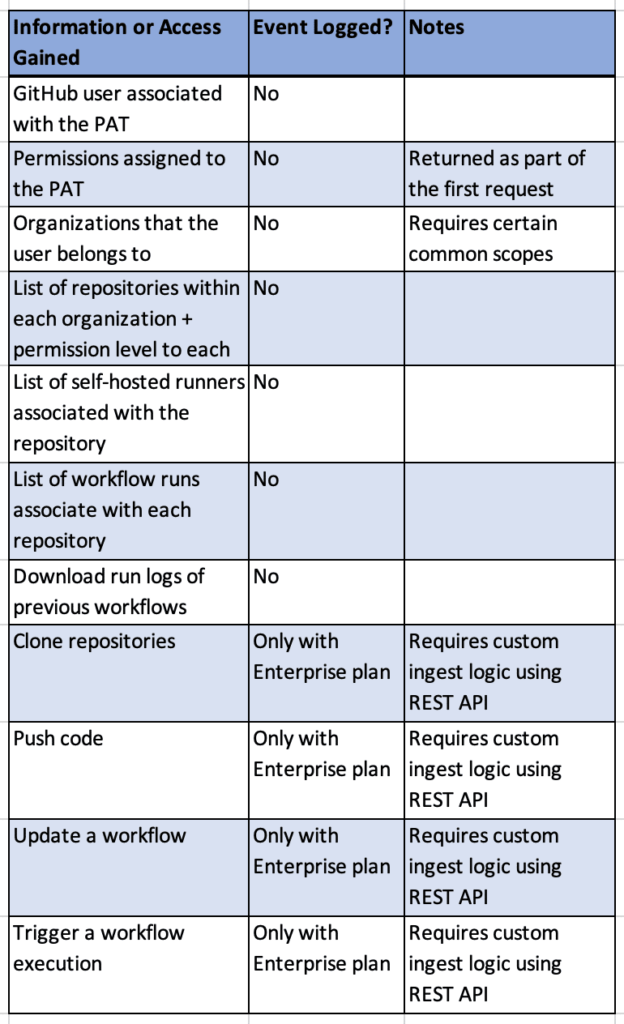
Overview Continuous Integration and Continuous Delivery (CI/CD) systems are powerful and configurable tools within modern environments. At Praetorian, we are seeing organizations migrate to SaaS solutions like GitHub (GitHub.com) as their source code management and CI/CD solution, instead of on-premises tools like BitBucket, Bamboo, and Jenkins. On our Red Team engagements , we routinely employ […]
Developing a Hidden Virtual File System Capability That Emulates the Uroburos Rootkit

A few years ago, I read the “Uroburos: The Snake Rootkit” [1] paper written by Artem Baranov and Deresz and was captivated by the hidden kernel-mode Virtual File System (VFS) functionality implemented within Uroburos. Later, I decided to learn Windows device driver programming and thought replicating this functionality within my own rootkit would be an […]
NTLMv1 vs NTLMv2: Digging into an NTLM Downgrade Attack
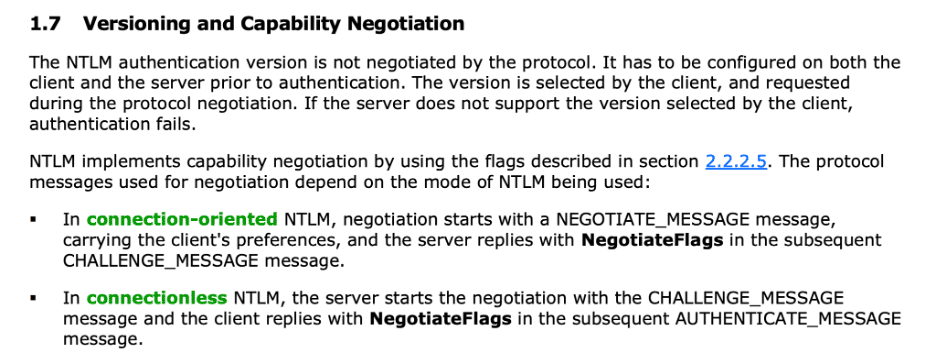
Overview During the summer, my colleague Derya Yavuz and I published an article on some of the different methods we’ve leveraged to elevate privileges within Active Directory environments. We discussed authentication coercion techniques such as PrinterBug, PetitPotam, and DFSCoerce. One of the techniques we mentioned in that article was performing an NTLM downgrade attack to […]
Thinking Outside the Mailbox: Modernized Phishing Techniques
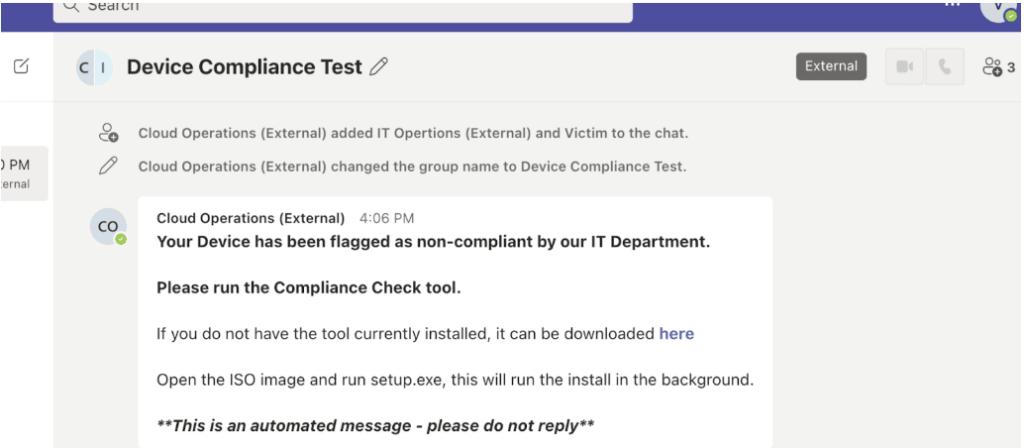
As defensive controls have advanced, so too have adversaries’ approaches to social engineering. Landing a phishing email in an inbox has become harder, and most campaigns that do make it to an inbox are quickly reported, quarantined, or triaged. So, adversaries have asked themselves why not skip the inbox all together or leverage a service […]
Red Team Tooling: Writing Custom Shellcode

Overview This article discusses our recently open-sourced tool Matryoshka [1], which operators can leverage to bypass size limitations and address performance issues often associated with Visual Basic for Applications (VBA) macro payloads. Because Microsoft Office restricts the size of VBA macros, operators can run into size limitations that restrict their ability to include larger payloads […]
Red Team Privilege Escalation – RBCD Based Privilege Escalation – Part 2

Overview In part one, we covered a Windows local privilege escalation method we have leveraged during red team engagements that is particularly prevalent on multi-user systems with many installed applications, such as Citrix. In part two, we cover another common local privilege escalation vulnerability we have leveraged within Windows domain environments to escalate privileges on […]
Red Team Local Privilege Escalation – Writable SYSTEM Path Privilege Escalation – Part 1

Overview In this two-part series we discuss two Windows local privilege escalation vulnerabilities that we commonly identify during red team operations. These issues are of particular interest due to their prevalence within organizations with mature security programs. Furthermore, exploitation of the issue is unlikely to trigger a detection within commonly used endpoint and network monitoring […]
Building a Domain Specific Language for Red Team Payload Generation

This article shares how Praetorian developed a customer YAML-based domain-specific language (DSL) to specify red team dropper behavior.
Inside the Mimikatz Pass-the-Hash Command (Part 2)

Second in a two-part series providing an overview of how the Mimikatz pass-the-hash command works.
Inside the Mimikatz Pass-the-Hash Command (Part 1)
First in a two-part series providing an overview of how the Mimikatz pass-the-hash command works.