
Hunt, Triage, and Act on Guard Findings in Slack

Block Kit alerts, threaded conversations with Marcus, and every action tied to a verified Guard identity. The alert that matters usually lands in Slack. Someone sees it, someone else asks what it affects, and a third person opens another tab to find out. Every context switch is time an attacker spends inside the window you […]
Credentials Are Still the Shortest Path In
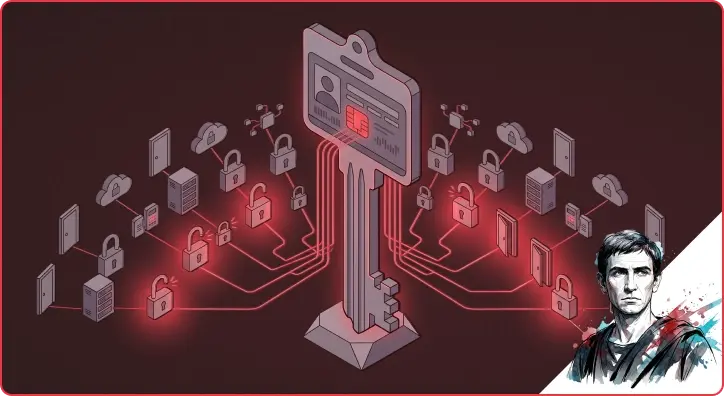
How Brutus grew into an engine that finds your identities, tests them everywhere they’re accepted, and remembers what it confirms. An attacker rarely needs a novel exploit when a valid username and password pair is sitting in a breach dump, reused across a dozen internal services, or left at a vendor default nobody changed. Brutus […]
Bluetooth Low Energy Security Testing, Consolidated: Introducing Caeruleus

The Bluetooth Low Energy (BLE) tooling space is fragmented and decaying. Picture a typical BLE testing session: you spin up bettercap to run ble.recon and ble.enum, your trusty (but deprecated) gatttool to read and write handles, and, when it’s time to fuzz that one writable characteristic, dig up that custom Bleak script you copy-paste between […]
Knossos: Procedurally Generated Decoy Environments

How we built a procedural engine that learns your real cloud environment, generates decoy environments indistinguishable from production, and converts every attacker interaction into signal. In the myth, Daedalus built the Labyrinth of Knossos so well that he nearly couldn’t escape it himself. The corridors looked real. The paths felt purposeful. And the deeper you […]
GhostPack Necromancy: Reforging C# Tools with WasmForge

In the previous post we walked through WasmForge, our Go-to-WebAssembly loader that takes existing signatured Go tools and ships them as opsec-safe binaries. This approach doesn’t just apply to Go, however, as there are many languages that can compile to WebAssembly. Another language of interest to us, especially regarding legacy tools which have been over-signatured, […]
Centurion: Bring Your Own Execution Environment
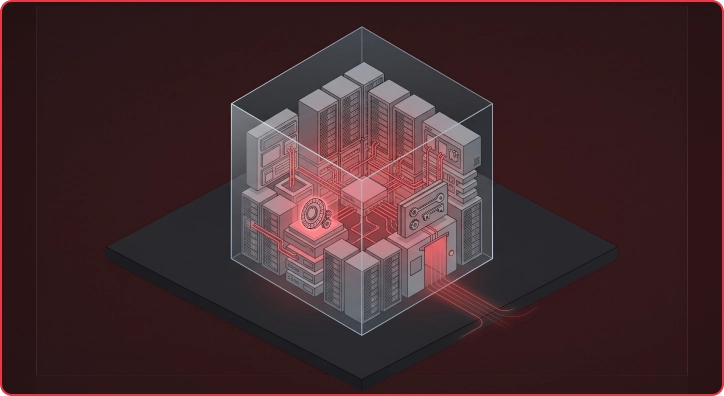
Writing my own virtualized loader is something I’ve been wanting to do since I first read Microsoft’s deep dive on FinFisher’s multi-layered VM obfuscation back in 2018. FinFisher didn’t just use one layer of protection, it implemented a custom virtual machine with 32 opcode handlers, wrapped that in spaghetti code and anti-debug checks, and then buried a second VM […]
Adversarial Oracles: LLM-Guided EDR Signature Reduction

In previous blog posts we’ve talked about getting nerd sniped. Today we’re going to talk about a kind of nerd sniping that any offensive security tool creator is familiar with; when your tool gets signatured. This normally kicks off a frustrating spiral of back and forth changes between the tool author and security vendors until […]
Your Login Page Is Lying: What AI Agents Find When They Read Your Frontend
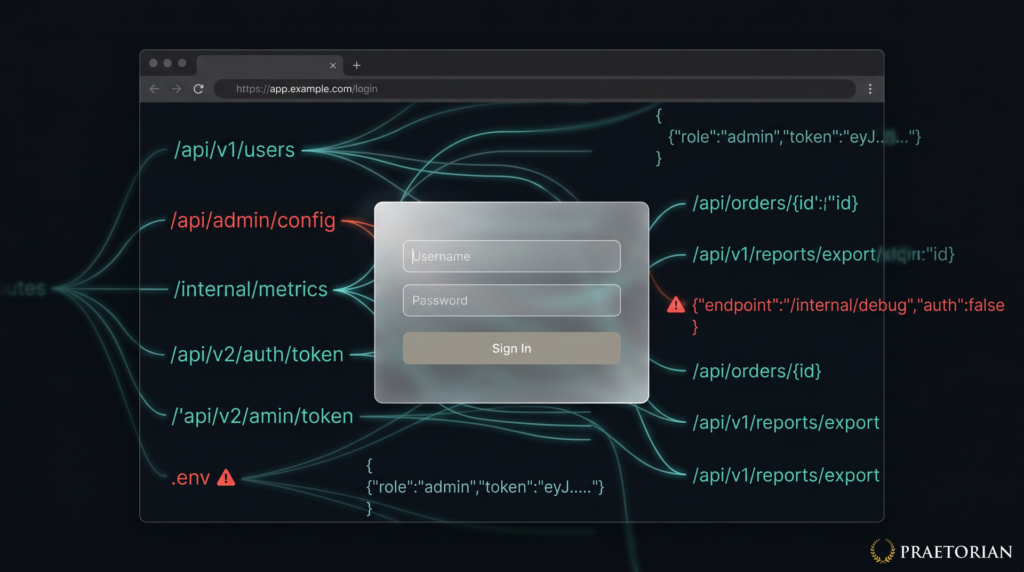
TL;DR: Single-page applications ship their entire frontend codebase to every visitor, including unauthenticated ones. Even a login page with no visible functionality delivers JavaScript bundles containing route definitions, API endpoint URLs, authentication logic, data models, and sometimes hardcoded secrets. As part of Guard’s continuous penetration testing, we use AI-assisted tooling to extract this information and […]
Your API Has Authorization Bugs. Hadrian Finds Them.

Authorization vulnerabilities are the most common critical finding in our API penetration tests. We find them on nearly every engagement: a user changes an ID in the URL and gets back another user’s data. Broken Object Level Authorization (BOLA) has been the #1 risk on the OWASP API Security Top 10 since the list was […]
Reflecting on Your Tier Model: CVE-2025-33073 and the One-Hop Problem
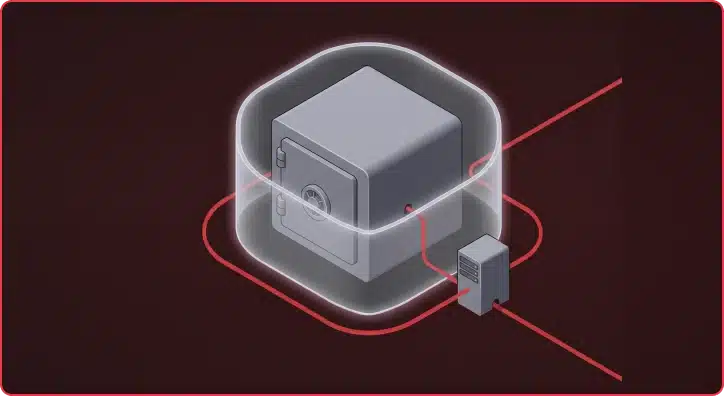
The False Sense of Security SMB signing on domain controllers has become standard practice across most Active Directory environments. But this hardening may have created a false sense of security. CVE-2025-33073 changes the calculus by removing the prerequisite of admin access, enabling NTLM relay attack Active Directory exploitation through unconstrained delegation. Domain controllers enforce SMB […]