
Julius v0.2.0: From 33 to 63 Probes — Now Detecting Cloud AI, Enterprise Inference, and RAG Pipelines
TL;DR: Julius v0.2.0 nearly doubles LLM fingerprinting probe coverage from 33 to 63, adding detection for cloud-managed AI services (AWS Bedrock, Azure OpenAI, Vertex AI), high-performance inference servers (SGLang, TensorRT-LLM, Triton), AI gateways (Portkey, Helicone, Bifrost), and self-hosted RAG platforms (PrivateGPT, RAGFlow, Quivr). This release also hardens the scanner itself with response size limiting and […]
AI-Driven Offensive Security: The Current Landscape and What It Means for Defense
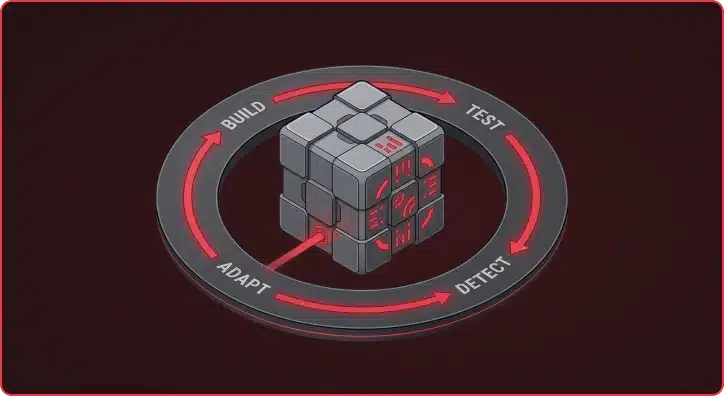
The capabilities of modern AI models have advanced far beyond what most people in the security industry have fully internalized. AI-generated phishing, script writing, and basic offensive automation are getting plenty of attention, but what happens when you apply agentic AI to the full lifecycle of building, testing, and refining custom malware and command-and-control (C2) […]
CVE-2026-3630: Critical Buffer Overflow in Delta Electronics COMMGR2 Enables Remote Code Execution
Key Takeaways CVSS v3.1 base score of 9.8 (Critical) with vector CVSS:3.1/AV:N/AC:L/PR:N/UI:N/S:U/C:H/I:H/A:H, according to the CNA Delta Electronics COMMGR2 contains an out-of-bounds write vulnerability (CWE-787) enabling unauthenticated remote code execution NVD lists the vulnerability as analyzed; vendor advisory Delta-PCSA-2026-00005 is available addressing multiple COMMGR2 vulnerabilities No evidence of active exploitation in the wild; specific affected […]
Et Tu, RDP? Detecting Sticky Keys Backdoors with Brutus and WebAssembly
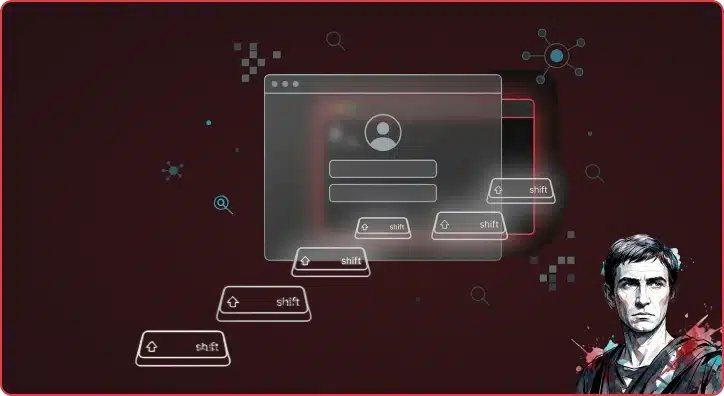
Everyone knows that one person on the team who’s inexplicably lucky, the one who stumbles upon a random vulnerability seemingly by chance. A few days ago, my coworker Michael Weber was telling me about a friend like this who, on a recent penetration test, pressed the shift key five times at an RDP login screen […]
Mapping the Unknown: Introducing Pius for Organizational Asset Discovery

Asset discovery is an essential part of Praetorian’s service delivery process. When we are engaged to carry out continuous external penetration testing, one key action is to build and maintain a thorough target asset inventory that goes beyond any lists or databases provided by the system owner. Pius is our open-source attack surface mapping tool […]
Ghost Calls: Abusing Web Conferencing for Covert Command & Control (Part 2 of 2)

In part one, we discussed the architecture of web conferencing applications, with a specific focus on Zoom’s architecture to support web conferencing at a massive global scale. Part two will discuss the approach we developed to support tunneling traffic through Zoom and Microsoft Teams using the TURN protocol. Let’s start with a quick recap of […]
Helpdesk Telephone Attack: How to Close Process and Technology Gaps
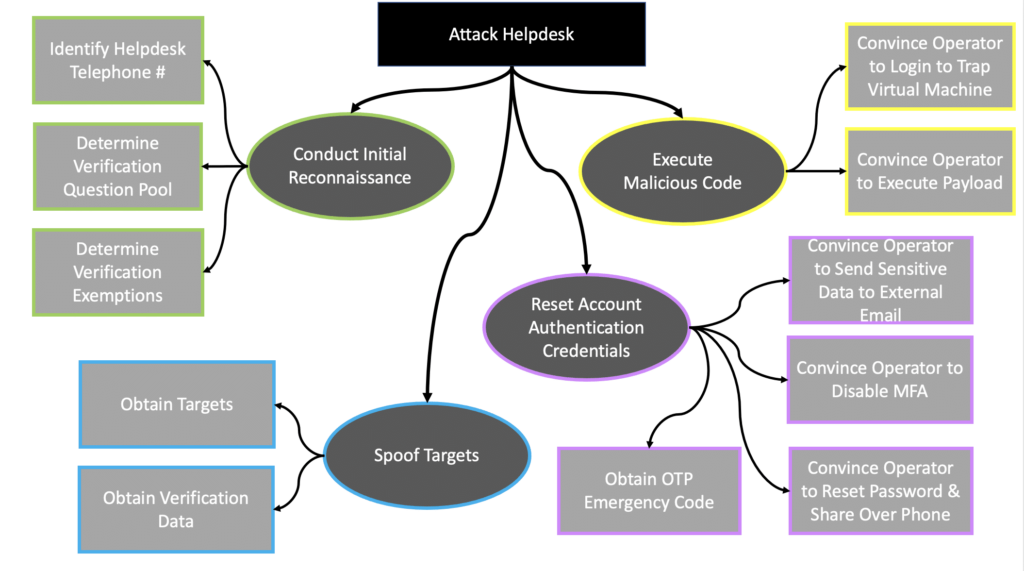
Introduction As we have witnessed in recent weeks with the MGM and Caesars Entertainment breaches, helpdesks are prime attack surfaces that are seeing a surge in exploitation. Although much of the press surrounding these most recent events alludes to helpdesk operators’ roles in the exploits, this type of vulnerability actually is a technology and process […]
Content Discovery: Understanding Your Web Attack Surface
Attack Surface Management (ASM) tools find quite a lot of vulnerabilities on the Web. This really isn’t surprising, given that HTTP/S is by far the most common and broadest of all the services comprising the Internet. In fact, Web-based issues represent the majority of the findings about which our Managed Service Providers (MSPs) inform our […]
ASM: The Best Defense is a Good Offense
About 10 years ago, security was relatively simple because everything occurred on premises. Change releases were tightly controlled by a change ticket and review process. In contrast, current networks consist of auto-scaling containers that run in Kubernetes clusters and even serverless clusters like AWS Lambda. We have transitioned from constrained environments that humans closely scrutinized […]