
Whats up with WhatsApp’s Security?

Facebook’s acquisition announcement coincided with the starting week of Project Neptune’s beta program. Project Neptune is Praetorian’s new mobile application security testing platform that allows companies to keep pace with rapid mobile development cycles by incorporating continuous, on-demand security testing. And what’s a better way to properly kick off our beta program than to test a publicly available mobile app worth $19 billion? Within minutes, Project Neptune picked up on several SSL-related security issues affecting the confidentiality of WhatsApp user data that passes in transit to back-end servers. This is the kind of stuff the NSA would love. It basically allows them—or an attacker—to man-in-the-middle the connection and then downgrade the encryption so they can break it and sniff the traffic. These security issues put WhatsApp user information and communications at risk.
Advanced Threats: Driving Senior Leadership Awareness

In today’s changing security environment, where advanced persistent threats (APT) are playing such a dramatic and notable role, it is the security organization’s responsibility to ensure that senior leadership understands and accepts risk associated with modern-day advanced threat actors. Regardless of your security maturity levels, you should at least be having the conversation about Advanced Threats. It is incumbent upon security leaders to drive this conversation within your organization in an effort to shift expectations away from thinking…
The Honeynet Project Maps Real-Time Attacks From Around the World

Members of The Honeynet Project’s Giraffe Chapter released a new real-time attack map earlier today. The map shows live attacks from locations around the world, provided by distributed honeypots operated by Honeynet Project chapters. Currently the map is in an alpha release stage, and additional data and input sources are planned for future releases. [Update 9/25/2012: Additional data feeds have been added]
Effectively Measuring Risk Associated with Vulnerabilities in Web Applications
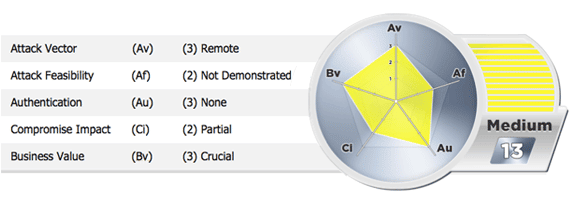
An objective risk rating framework enables our team to compare a standardized measurement of risk across an organization. It also allows our clients to prioritize steps needed in an action plan to mitigate, accept, or transfer organizational risk. Prioritization of vulnerability remediation should be organized objectively based on factors used in the risk rating framework, such as: ease of exploitation, severity of impact if exploited, and level of effort to remedy. If you are considering adopting a risk-rating framework, it is important to tailor a solution that best suits your organizational needs. The following risk rating scale was developed to satisfy the specific needs of our clients, and we hope it provides you with valuable guidance as you plan for the management of risk within your organization…